Subscribe and receive email notifications of new blog posts.
 RSS Feed
23
Your First Home Purchase: The Full Picture - Part One
Your First Home Purchase: The Full Picture
Part One What to Know Before You Start Looking
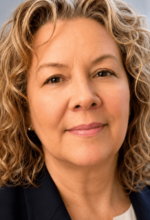
By Barbara Young - Realtor
When I was a first-time home buyer, I didn't know much about buying a home. I knew what I wanted and what I could see in a listing, but I didn't understand everything involved in making the purchase.
As a first-time buyer, you may feel excited and apprehensive at the same time. You've decided to buy a home and may already be looking online at properties where you live or in an area where you are thinking of moving.
Suddenly, there are so many choices.
How many bedrooms do you want? Do you want a one-story or two-story home? Would you rather live in town, in the suburbs, or in a rural area?
These questions are important, but before choosing the kind of home you want, there is another question to answer:
How are you going to pay for it?
It may not be the most exciting part of buying a home, but it is one of the most important parts of the full picture.
Start with the financial picture
Most buyers use some type of mortgage financing, so talking with a mortgage lender is a good place to start.
If you have never bought a home before, you may not know whom to call or what to ask. That is normal. A real estate professional can provide the names of a few lenders, or you can research lenders yourself.
Try to speak with more than one lender. Ask questions, compare the information they give you, and choose someone who explains things clearly and makes you feel comfortable.
A lender will ask about your income, expenses, employment, debts, assets, and credit history. These questions may seem personal, but the lender needs this information to determine which mortgage programs you may qualify for.
The lender may verify your income, check your credit, review your debt-to-income ratio, and discuss how much you may be able to borrow. Depending on your circumstances, down-payment or closing-cost assistance may also be available. These programs vary, so ask about the options and requirements in your area.
After reviewing your information, the lender may give you a prequalification or preapproval estimate. This provides a starting price range for your home search.
Remember that the amount you qualify to borrow is not necessarily the amount you will feel comfortable spending.
You know your household and priorities better than anyone else. Consider the monthly payment you can manage while still paying your other expenses, saving for emergencies, and doing the things that are important to you.
There is more than the mortgage payment
The complete cost of owning a home is one part of the picture buyers may not see right away.
In addition to the down payment and mortgage payment, you may need to plan for:
- Closing costs: Fees and expenses paid when the purchase is completed.
- Property taxes: Local taxes based on the value of the property.
- Homeowners insurance: Coverage that helps protect your home and belongings.
- Mortgage insurance: Coverage that may be required with certain loans or smaller down payments.
- Homeowners association fees: Fees charged in some communities for shared property, services, or amenities.
- Utilities: Expenses such as electricity, water, gas, trash collection, and internet service.
- Maintenance and repairs: The cost of caring for the property and fixing or replacing things.
- Moving expenses: Costs such as movers, equipment rentals, and service transfers.
- Items needed after moving in: Purchases such as appliances, locks, tools, furniture, or lawn equipment.
These costs will vary depending on the home and the type of financing you use.
The price shown on the listing is easy to see. The complete cost of buying and owning the home is part of the larger picture. Understanding those costs can help you choose a price range that works for your life, not just one that works on paper.
Find professionals who will listen
A home purchase may involve a real estate professional, lender, inspector, insurance agent, appraiser, and title or escrow professionals.
You do not have to choose the first person you meet. Speak with more than one real estate professional and lender. Ask how they work, what services they provide, and how they communicate. You should also ask how each professional is paid, who is responsible for paying for those services, and whether you will be expected to sign an agreement. Payment arrangements and responsibilities can vary, so make sure you understand them before agreeing to work with someone.
Pay attention to whether they listen, answer your questions, and explain things in a way you understand. You should feel informed, not pressured.
Referrals can be a helpful starting point, but you should still compare your options and decide which professionals are right for you.
Decide what you need and what you want
Once you understand your financing and choose a real estate professional, you can begin narrowing your search.
Your real estate professional will ask what you want and need in your new home. These questions can help you decide which features are necessary and which would simply be nice to have.
You may need three bedrooms but want four. You may need to live within a certain distance of work but prefer a particular neighborhood. You may love a large kitchen but care more about keeping your monthly payment manageable.
Knowing the difference between your needs and wants will make it easier to evaluate the homes you see.
Your real estate professional can use your price range, preferred locations, and priorities to identify available properties and schedule showings.
This is when the process begins to feel real, and when it becomes easy to focus only on the rooms, flooring, kitchen, yard, or paint colors.
Those features are only part of the full picture. You will also need to consider the home's condition, possible repairs, insurance costs, contract terms, and location. We will explore those subjects as we continue through the home-buying process.
You don't have to know everything before you begin
First-time buyers often don't know what they don't know. That is nothing to be embarrassed about. Buying a home involves unfamiliar terms, important documents, and decisions you may have never made before.
I have been both a first-time home buyer and a real estate broker. My goal with this series is to help you understand the full picture, ask better questions, and feel more confident throughout the process.
Before looking at homes, start by understanding your finances, deciding what payment feels comfortable, and finding professionals who will listen and explain your options.
What part of financing or preparing to buy a home would you like to understand better?
Next time, we'll talk about viewing homes, what to look for during a showing, and how to decide whether you have found one you may want to make an offer on.
This article offers general educational information. Financing options, assistance programs, transaction practices, and professional responsibilities vary by location and individual circumstances. Speak with qualified professionals about your particular situation.
This article was written by Barbara Young and edited with the assistance of AI. The author reviewed and approved the final content.

Privacy Policy / DMCA Notice / ADA Accessibility


